
Unveiling the Distinctions: Waverunner vs. Jet Ski – Which Personal Watercraft Reigns Supreme?
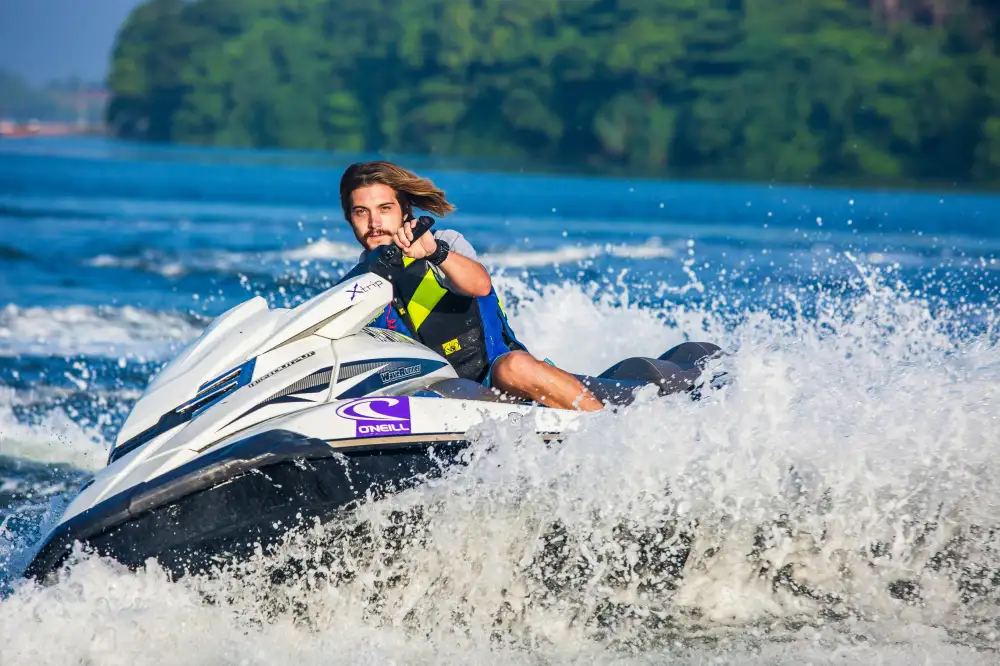
- Definition of personal watercraft
- Importance of personal watercraft in water sports
- What is a Waverunner?
- Explanation of the term "Waverunner"
- Brief history and origin of Waverunners
- Features and characteristics of Waverunners
- What is a Jet Ski?
- Explanation of the term "Jet Ski"
- Brief history and origin of Jet Skis
- Features and characteristics of Jet Skis
- Differences in Design
- Hull design and shape of Waverunners
- Hull design and shape of Jet Skis
- Impact on performance and maneuverability
- Differences in Propulsion
- Propulsion system of Waverunners
- Propulsion system of Jet Skis
- Comparison of speed and acceleration
- Differences in Handling
- Steering mechanisms of Waverunners
- Steering mechanisms of Jet Skis
- Comparison of stability and control
- Differences in Usage
- Popular activities for Waverunners
- Popular activities for Jet Skis
- Comparison of versatility and suitability for different water sports
- Safety Considerations
- Safety features of Waverunners
- Safety features of Jet Skis
- Comparison of safety measures and precautions
- Summary of key differences between Waverunners and Jet Skis
- Personal preference and intended use as factors in choosing between the two
Personal watercraft, also known as PWCs, have become an integral part of water sports and recreational activities. These compact vessels offer thrilling experiences on the water and have gained immense popularity among adventure enthusiasts worldwide. In this article, we will delve into the distinctions between two prominent types of personal watercraft: Waverunners and Jet Skis. By exploring their origins, features, design, propulsion systems, handling capabilities, usage scenarios, and safety considerations, we aim to help you determine which one reigns supreme in the world of personal watercraft.
Definition of personal watercraft
A personal watercraft, also known as a PWC, is a type of recreational water vessel designed for individual use. It is a motorized vehicle that is ridden in a seated or standing position and is primarily used for leisure activities on the water. Personal watercrafts have become increasingly popular in the world of water sports due to their versatility, speed, and maneuverability. They provide individuals with an exhilarating experience on the water and are commonly seen in lakes, rivers, and coastal areas.
Importance of personal watercraft in water sports
Personal watercraft play a crucial role in the world of water sports. They offer individuals the opportunity to experience thrilling and exhilarating adventures on the water. Whether it's racing across waves, performing tricks, or simply enjoying a leisurely ride, personal watercraft provide endless excitement for enthusiasts of all ages.
These versatile machines have revolutionized the way people engage with water sports. With their high-speed capabilities and maneuverability, personal watercraft have become an integral part of activities such as jet skiing, wakeboarding, waterskiing, and even fishing. Their compact size allows for easy navigation through tight spaces and enables riders to explore areas that may be inaccessible by larger boats.
Moreover, personal watercraft serve as a gateway for beginners to enter the world of water sports. They provide a safe and controlled environment for individuals to learn and develop their skills before venturing into more advanced activities. Additionally, personal watercraft are often used for rescue operations due to their agility and ability to reach remote areas quickly.
The popularity of personal watercraft continues to grow as more people discover the thrill and enjoyment they offer. Their importance in promoting active lifestyles, fostering a sense of adventure, and creating unforgettable memories cannot be overstated. Whether you're a seasoned rider or someone looking to try something new, personal watercraft are an essential component of any water sports enthusiast's arsenal.
What is a Waverunner?
A Waverunner is a type of personal watercraft (PWC) that is designed for recreational use on the water. It is a brand name used by Yamaha to describe their line of PWCs. The term "Waverunner" has become synonymous with any type of PWC in many parts of the world. Waverunners were first introduced in the 1980s and quickly gained popularity due to their innovative design and performance capabilities. They are known for their sleek and agile nature, allowing riders to navigate through the water with ease. Waverunners typically feature a sit-down design with handlebars for steering and throttle control. They are powered by an internal combustion engine and can reach speeds of up to 60 miles per hour or more, depending on the model. Overall, Waverunners are renowned for their speed, maneuverability, and thrilling riding experience.
Explanation of the term "Waverunner"
Brief history and origin of WaverunnersThe Waverunner, a popular personal watercraft, was first introduced by Yamaha in 1986. It revolutionized the water sports industry with its innovative design and performance capabilities. The concept of the Waverunner originated from Japan, where Yamaha engineers sought to create a small, agile watercraft that could be ridden like a motorcycle on the water. Through years of research and development, Yamaha successfully launched the first Waverunner model, which quickly gained popularity worldwide. Since then, Waverunners have become synonymous with thrilling water adventures and continue to evolve with advanced technology and engineering.
Features and characteristics of Waverunners
Waverunners, also known as personal watercraft (PWCs), are small, motorized vessels designed for recreational use on the water. They typically accommodate one to three passengers and are propelled by a jet pump system. Waverunners are known for their agility and maneuverability, making them popular among thrill-seekers and water sports enthusiasts. These PWCs feature a sleek and compact design, allowing riders to navigate through tight spaces with ease. With powerful engines and responsive handling, Waverunners offer an exhilarating experience on the water.
What is a Jet Ski?
A Jet Ski is a brand name for personal watercraft manufactured by Kawasaki. It refers to a type of recreational watercraft that is ridden in a sitting or standing position and powered by a jet propulsion system. The term "Jet Ski" has become synonymous with personal watercraft in general, similar to how "Kleenex" is used to refer to facial tissues. Jet Skis were first introduced in the 1970s and quickly gained popularity due to their speed and agility on the water. They are known for their powerful engines, compact size, and ability to perform tricks and maneuvers.
Explanation of the term "Jet Ski"
Brief history and origin of Jet SkisJet Skis, also known as personal watercraft (PWC), were first introduced in the 1970s by Kawasaki. The concept of Jet Skis originated from a modified stand-up surfboard with a motor attached to it. In 1972, Kawasaki released the first commercially successful PWC called the Jet Ski, which quickly gained popularity among water sports enthusiasts. Since then, Jet Skis have undergone significant advancements in design, technology, and performance to meet the demands of riders worldwide. Today, they are manufactured by various companies and are widely used for recreational purposes as well as competitive racing events.
Features and characteristics of Jet Skis
Jet Skis, also known as personal watercraft (PWC), are small, motorized vessels designed for recreational use on the water. They typically have a seating capacity of one to three people and are powered by an inboard engine. Jet Skis are known for their agility and speed, making them popular among thrill-seekers and water sports enthusiasts.
One of the key features of Jet Skis is their compact size and lightweight construction, which allows for easy maneuverability. They are designed with a narrow hull and a low center of gravity, enabling riders to perform quick turns and navigate through tight spaces with ease.
Another notable characteristic of Jet Skis is their propulsion system. Unlike traditional boats that rely on propellers, Jet Skis utilize a jet propulsion system. This system draws water into the vessel through an intake grate located at the bottom and then expels it at high pressure through a nozzle at the rear. This mechanism provides excellent acceleration and enables Jet Skis to reach impressive speeds on the water.
Jet Skis also feature handlebars for steering control. The rider uses these handlebars to direct the vessel by turning them left or right. Additionally, many modern Jet Skis come equipped with advanced technology such as electronic throttle control, adjustable trim systems, and intelligent braking systems to enhance performance and safety.
Overall, Jet Skis offer a thrilling riding experience with their speed, agility, and maneuverability. Whether it's racing across open waters or performing tricks in waves, these personal watercraft provide endless excitement for those seeking adventure on the water.
Differences in Design
Waverunners and Jet Skis differ significantly in their design, which directly affects their performance and maneuverability on the water. Waverunners typically have a sleek, streamlined hull design with a lower center of gravity. This allows for better stability and control, especially when making sharp turns or riding in rough waters.
On the other hand, Jet Skis often feature a wider and more bulky hull design. This design provides greater buoyancy and stability at higher speeds but may sacrifice some agility and maneuverability compared to Waverunners.
The impact of these design differences is evident when it comes to performance. Waverunners are known for their ability to carve through waves smoothly, offering riders a thrilling experience while maintaining stability. In contrast, Jet Skis excel in straight-line speed and can handle choppy waters more effectively due to their larger hulls.
Ultimately, the choice between a Waverunner and a Jet Ski will depend on personal preference and the intended use of the personal watercraft. Whether one values agility or speed will determine which design is best suited for individual needs on the water.
Hull design and shape of Waverunners
The hull design and shape of Waverunners are specifically engineered for optimal performance on the water. Waverunners typically have a V-shaped hull, which allows them to cut through the water with ease and provides excellent stability. The deep-V hull design helps to absorb impact from waves, providing a smoother ride for the rider. Additionally, the narrow and sleek profile of Waverunners enhances their maneuverability, making them highly responsive in tight turns and quick directional changes. Overall, the hull design of Waverunners is focused on maximizing speed, agility, and control on the water.
Hull design and shape of Jet Skis
The hull design and shape of Jet Skis are typically characterized by a V-shaped or deep-V hull. This design allows for better stability and control in rough waters. The sharp bow of the Jet Ski helps to cut through waves, providing a smoother ride. Additionally, the wider beam of Jet Skis contributes to their stability, making them less likely to tip over. Overall, the hull design and shape of Jet Skis prioritize stability and control, making them suitable for various water conditions.
Impact on performance and maneuverability
The design and shape of a personal watercraft's hull greatly impact its performance and maneuverability. Waverunners typically have a deep-V hull design, which allows for better stability and smoother rides in rough waters. This design also helps to reduce the impact of waves, resulting in improved handling and control. On the other hand, Jet Skis often feature a flat-bottomed hull, which provides greater agility and responsiveness when making quick turns or performing tricks. The flatter hull allows for sharper cornering and better maneuverability in tight spaces. Ultimately, the choice between a Waverunner and a Jet Ski will depend on individual preferences and the specific water activities one intends to engage in.
Differences in Propulsion
Waverunners are powered by a water jet pump system, which draws water from beneath the craft and propels it out through a nozzle at high speed. This design allows for efficient acceleration and maneuverability, making Waverunners ideal for quick turns and jumps.
On the other hand, Jet Skis utilize a traditional propeller system that is similar to those found on boats. The engine drives the propeller, which pushes the water backward to generate forward thrust. While this propulsion method offers good top speed, it may not provide the same level of agility as Waverunners.
In terms of speed and acceleration, Waverunners tend to be faster off the line due to their lightweight design and direct thrust from the water jet pump. They can reach higher speeds more quickly than Jet Skis. However, Jet Skis are known for their ability to maintain high speeds over long distances, making them suitable for open-water cruising.
Overall, the differences in propulsion between Waverunners and Jet Skis result in varying performance characteristics. The choice between the two will depend on personal preferences and intended use on the water.
Waverunners are powered by a water jet pump system, which draws water from beneath the craft and propels it out through a nozzle at high speed. This design allows for efficient acceleration and maneuverability, making Waverunners ideal for quick turns and jumps.
On the other hand, Jet Skis utilize a traditional propeller system that is similar to those found on boats. The engine drives the propeller, which pushes the water backward to generate forward thrust. While this propulsion method offers good top speed, it may not provide the same level of agility as Waverunners.
In terms of speed and acceleration, Waverunners tend to be faster off the line due to their lightweight design and direct thrust from the water jet pump. They can reach higher speeds more quickly than Jet Skis. However, Jet Skis are known for their ability to maintain high speeds over long distances, making them suitable for open-water cruising.
Overall, the differences in propulsion between Waverunners and Jet Skis result in varying performance characteristics. The choice between the two will depend on personal preferences and intended use on the water.
Propulsion system of Waverunners
Waverunners are propelled by an internal impeller system. This system consists of a pump, which draws water through an intake grate and then forces it out through a nozzle at the rear of the craft. The impeller, powered by a gasoline engine, creates a high-pressure jet of water that propels the Waverunner forward. This propulsion system allows for quick acceleration and high speeds on the water. Waverunners are known for their agility and ability to make sharp turns, thanks to the efficient design of their propulsion system.
Propulsion system of Jet Skis
The propulsion system of Jet Skis is typically powered by an internal combustion engine, similar to that of a motorcycle or snowmobile. These engines are usually two-stroke or four-stroke and can range in power from 60 to 310 horsepower. The engine drives a water jet pump, which sucks in water from underneath the craft and propels it out through a nozzle at high pressure, creating thrust and propulsion. This design allows for quick acceleration and high speeds, making Jet Skis popular for racing and adrenaline-filled water sports.
Comparison of speed and acceleration
When it comes to speed and acceleration, Waverunners and Jet Skis have their own distinct characteristics. Waverunners are known for their impressive acceleration, thanks to their lightweight design and powerful engines. They can reach speeds of up to 60 miles per hour in just a few seconds. On the other hand, Jet Skis are typically faster than Waverunners, with top speeds reaching around 70 miles per hour. Their larger engines and sleeker hull designs contribute to their superior speed capabilities. However, it's important to note that actual speed and acceleration may vary depending on factors such as weight load and water conditions. Overall, both personal watercraft offer thrilling experiences on the water with impressive speed and acceleration capabilities.
Differences in Handling
When it comes to handling, Waverunners and Jet Skis have distinct characteristics. Waverunners typically feature handlebars that allow riders to control the direction of the watercraft by turning them. This steering mechanism provides a more intuitive and responsive experience, making it easier for riders to maneuver through tight turns and navigate choppy waters.
On the other hand, Jet Skis are equipped with handlebars similar to those found on motorcycles. This design requires riders to lean into turns and shift their body weight for better control. While this may require more effort and skill from the rider, it also allows for a greater sense of stability at high speeds.
In terms of stability, Waverunners tend to offer a smoother ride due to their wider hull design. This added stability makes them ideal for beginners or those looking for a more relaxed cruising experience. Jet Skis, with their narrower hulls, provide a sportier feel and are often preferred by experienced riders who enjoy aggressive maneuvers and tricks.
Ultimately, the choice between a Waverunner and a Jet Ski in terms of handling depends on personal preference and riding style. Riders seeking easy maneuverability and stability may opt for a Waverunner, while those looking for a more dynamic and thrilling ride may lean towards a Jet Ski.
Steering mechanisms of Waverunners
Waverunners are equipped with handlebars that allow the rider to control the direction of the watercraft. These handlebars are connected to a steering nozzle located at the rear of the Waverunner. By turning the handlebars, the rider can adjust the angle of the steering nozzle, which in turn determines the direction of movement. This steering mechanism provides precise and responsive control, allowing riders to navigate through tight turns and maneuver around obstacles with ease. The intuitive nature of this system makes it ideal for both beginners and experienced riders alike.
Steering mechanisms of Jet Skis
The steering mechanism of Jet Skis is typically controlled by handlebars, similar to a motorcycle. The rider can turn the handlebars left or right to steer the watercraft in the desired direction. This direct and intuitive steering system allows for quick and precise maneuverability on the water. The handlebars are also equipped with throttle controls, allowing the rider to control the speed of the Jet Ski while steering. Overall, the steering mechanism of Jet Skis offers a user-friendly and responsive experience for riders.
Comparison of stability and control
When it comes to stability and control, there are distinct differences between Waverunners and Jet Skis. Waverunners are known for their superior stability due to their wider hull design. This allows riders to have a more balanced and controlled experience on the water, especially in choppy or rough conditions. On the other hand, Jet Skis have a narrower hull design, which may result in less stability but offers greater maneuverability and responsiveness. It is important for riders to consider their skill level and intended use when deciding between the two, as stability and control play a crucial role in ensuring a safe and enjoyable ride.
Differences in Usage
When it comes to usage, Waverunners and Jet Skis have distinct preferences among water sports enthusiasts. Waverunners are often favored for activities such as cruising, touring, and exploring due to their comfortable seating arrangements and spacious design. They are also popular for towing water skiers or wakeboarders. On the other hand, Jet Skis are known for their agility and maneuverability, making them ideal for thrill-seeking activities like racing, freestyle riding, and performing tricks. Their compact size allows riders to easily navigate through tight turns and waves. Ultimately, the choice between a Waverunner and a Jet Ski depends on personal preference and the specific water sport one intends to engage in.
Popular activities for Waverunners
Popular activities for Waverunners include recreational riding, racing, and wave jumping. Waverunners are often used for exploring coastlines, lakes, and rivers. They are also popular among thrill-seekers who enjoy performing tricks and stunts on the water. Additionally, Waverunners are commonly used for towing water skiers and wakeboarders, providing an exhilarating experience for both the rider and the person being towed. With their agility and speed, Waverunners offer endless possibilities for fun and adventure on the water.
Popular activities for Jet Skis
Popular activities for Jet Skis include recreational riding, racing, and freestyle tricks. Jet Skis are often used for exploring coastlines, lakes, and rivers, as well as participating in water sports such as wakeboarding and tubing. Their maneuverability and speed make them ideal for adrenaline-filled activities like jumping waves and performing stunts. Jet Ski competitions are also popular worldwide, attracting skilled riders who showcase their abilities in various disciplines such as slalom racing and freestyle tricks.
Comparison of versatility and suitability for different water sports
Waverunners and Jet Skis both offer a range of exciting water sports activities, but they differ in their versatility and suitability for certain sports. Waverunners are known for their agility and maneuverability, making them ideal for activities such as racing, freestyle riding, and wave jumping. Their lightweight design allows riders to perform tricks and stunts with ease. On the other hand, Jet Skis are more suited for towing activities like wakeboarding, water skiing, and tubing due to their powerful engines and ability to generate significant pulling force. Their larger size also provides more stability when towing riders behind them. Ultimately, the choice between Waverunners and Jet Skis depends on personal preference and the specific water sport one wishes to engage in.
Safety Considerations
When it comes to personal watercraft, safety should always be a top priority. Both Waverunners and Jet Skis come equipped with various safety features to ensure the well-being of riders.
Waverunners are designed with multiple safety measures in mind. They often have a self-circling feature that allows the craft to turn back over if it capsizes. Additionally, many Waverunners have an emergency shut-off switch that can instantly stop the engine in case of an accident or loss of control.
Jet Skis also prioritize safety with their design features. They typically have a lanyard attached to the rider's wrist or life jacket, which is connected to an engine cut-off switch. If the rider falls off, the lanyard will detach from the switch, immediately stopping the engine.
Both types of personal watercraft also have built-in buoyancy to help keep them afloat even if they take on water. This ensures that riders can stay safe while waiting for assistance in case of any mishaps.
It is important for riders of both Waverunners and Jet Skis to wear proper safety gear such as life jackets and wetsuits. Additionally, knowing and adhering to local boating regulations and speed limits is crucial for safe operation.
Ultimately, when it comes to safety considerations, both Waverunners and Jet Skis offer similar levels of protection. However, it is essential for riders to exercise caution, follow safety guidelines, and use common sense while enjoying these thrilling watercrafts.
Safety features of Waverunners
Waverunners are equipped with several safety features to ensure the well-being of riders. Most models have a kill switch, which is a lanyard attached to the rider's wrist or life jacket. If the rider falls off, the lanyard disconnects from the machine, immediately shutting off the engine. This feature prevents accidents caused by an unmanned Waverunner. Additionally, Waverunners often have mirrors and rearview mirrors to enhance visibility and allow riders to see behind them. Some models also come with a boarding step or ladder for easy re-entry onto the craft in case of falling off. These safety measures aim to minimize risks and promote safe enjoyment of Waverunners on the water.
Safety features of Jet Skis
Jet Skis are equipped with several safety features to ensure the well-being of riders. One important safety feature is the kill switch, which automatically shuts off the engine if the rider falls off. This prevents the Jet Ski from continuing to operate without a rider and reduces the risk of accidents. Additionally, Jet Skis have handlebar-mounted mirrors that provide better visibility for the rider, enabling them to see other watercraft and potential hazards. Another safety feature is the lanyard or wristband attached to the kill switch, which must be worn by the rider at all times. If the rider falls off, this disconnects from the Jet Ski and stops its operation. Furthermore, many modern Jet Skis are equipped with electronic throttle control systems that offer better control and responsiveness, enhancing overall safety on the water. These safety features make Jet Skis a reliable choice for those seeking an exhilarating yet secure personal watercraft experience.
Comparison of safety measures and precautions
When it comes to safety measures and precautions, both Waverunners and Jet Skis prioritize the well-being of riders. Waverunners are equipped with various safety features such as lanyard kill switches, which automatically shut off the engine if the rider falls off. They also have rearview mirrors for improved visibility and non-slip mats to prevent accidents caused by slipping.
Jet Skis, on the other hand, also have lanyard kill switches and non-slip mats for added safety. Additionally, they often come with electronic braking systems that can quickly bring the watercraft to a stop in emergency situations. Some models even have built-in GPS systems to assist in navigation and ensure riders stay within safe boundaries.
It is important to note that regardless of the personal watercraft chosen, proper safety precautions should always be followed. This includes wearing a life jacket at all times, maintaining a safe distance from other watercraft and swimmers, adhering to speed limits, and being aware of local regulations and guidelines.
Ultimately, the choice between a Waverunner and a Jet Ski should be based on personal preference, intended use, and individual needs. Both types of personal watercraft offer thrilling experiences on the water while ensuring rider safety remains a top priority.
In conclusion, while both Waverunners and Jet Skis are popular personal watercrafts, they have distinct differences that make them suitable for different individuals and water sports. Waverunners, with their sleek design and agile maneuverability, are favored by those who enjoy activities like racing and freestyle tricks. On the other hand, Jet Skis, with their larger hulls and powerful engines, are preferred by those who seek stability and comfort for activities like cruising or towing water toys. Ultimately, the choice between the two comes down to personal preference and intended use.
Summary of key differences between Waverunners and Jet Skis
In summary, the key differences between Waverunners and Jet Skis can be categorized into three main aspects: design, propulsion, and handling.
In terms of design, Waverunners typically have a sit-down style with a more streamlined hull shape, allowing for better maneuverability and agility on the water. On the other hand, Jet Skis often have a stand-up or sit-down style with a wider hull design, providing more stability but sacrificing some agility.
Regarding propulsion, Waverunners are propelled by an impeller system that draws water into a pump and expels it at high speeds. This allows for quick acceleration and higher top speeds. In contrast, Jet Skis use a jet pump system that sucks in water from underneath the craft and propels it out through a nozzle, offering good acceleration but generally lower top speeds compared to Waverunners.
When it comes to handling, Waverunners typically feature handlebars for steering control. This provides precise maneuvering capabilities and ease of use for riders of all skill levels. On the other hand, Jet Skis often utilize handlepole steering systems that require more physical effort and skill to operate effectively.
Ultimately, choosing between Waverunners and Jet Skis depends on personal preference and intended use. If you prioritize agility and speed for activities like racing or freestyle riding, Waverunners may be your best bet. However, if stability and versatility for activities like cruising or towing are more important to you, Jet Skis might be the preferred choice.
Personal preference and intended use as factors in choosing between the two
When it comes to choosing between a Waverunner and a Jet Ski, personal preference and intended use play a crucial role. Waverunners are known for their agility and maneuverability, making them ideal for activities like racing and freestyle tricks. On the other hand, Jet Skis are favored for their stability and comfort, making them suitable for leisurely cruising or towing water sports. It ultimately boils down to individual preferences and the specific water activities one intends to engage in.
Published: 26. 02. 2025
Category: TravelFood