
Uncover the Timeless Charm of Antique Mortar and Pestle: A Home Essential for Culinary Enthusiasts
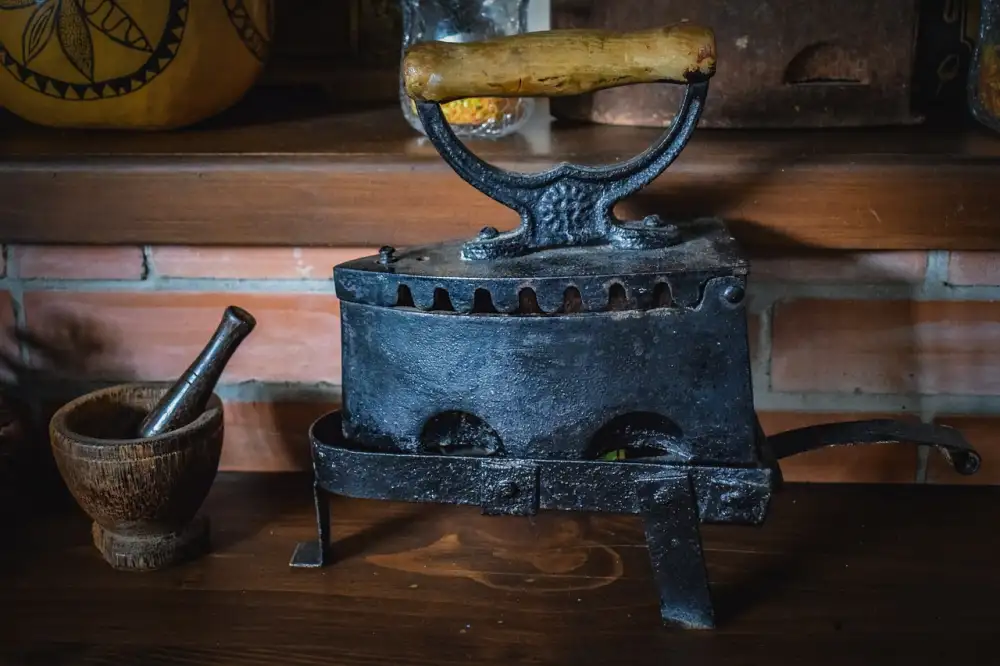
- Historical Significance of Antique Mortar and Pestle
- Materials Used in Antique Mortar and Pestle
- Design and Craftsmanship of Antique Mortar and Pestle
- Uses of Antique Mortar and Pestle in Traditional Cooking
- How to Care for and Maintain Antique Mortar and Pestle
- Collecting Antique Mortar and Pestle: Tips for Enthusiasts
Antique mortar and pestle sets have been essential tools in kitchens for centuries, dating back to ancient civilizations. Consisting of a bowl (the mortar) and a club-shaped tool (the pestle), these timeless pieces are used for grinding, crushing, and mixing ingredients. They are not only practical but also hold a significant place in culinary history, embodying tradition and craftsmanship. Antique mortar and pestle sets add a touch of nostalgia and authenticity to any kitchen, making them cherished items for culinary enthusiasts and collectors alike.
Historical Significance of Antique Mortar and Pestle
The historical significance of the antique mortar and pestle dates back to ancient civilizations such as the Egyptians, Greeks, and Romans. These tools were essential in grinding herbs, spices, and grains for medicinal and culinary purposes. They symbolize the artistry and craftsmanship of early civilizations and their ingenuity in food preparation techniques. The mortar and pestle have stood the test of time as a timeless kitchen essential, embodying tradition and heritage in culinary practices worldwide.
Materials Used in Antique Mortar and Pestle
Antique mortar and pestles are typically crafted from a variety of durable materials, each with its own unique qualities. Common materials used include marble, granite, wood, brass, bronze, and even volcanic rock such as basalt. Marble mortar and pestles are prized for their elegance and smooth surface that is ideal for grinding spices and herbs. Granite sets are known for their durability and resistance to staining. Wooden sets are popular for crushing nuts and seeds without altering their flavors. Brass and bronze sets are valued for their decorative appeal and longevity. Volcanic rock mortar and pestles have rough surfaces that make them perfect for grinding hard spices like peppercorns. The choice of material often depends on personal preference, intended use, and aesthetic appeal when collecting these timeless kitchen tools.
Design and Craftsmanship of Antique Mortar and Pestle
The design and craftsmanship of antique mortar and pestle sets vary greatly depending on their origin and time period. These kitchen tools are typically made from durable materials such as marble, granite, wood, brass, or bronze. They often feature intricate carvings, engravings, or decorative patterns that reflect the cultural influences of the region where they were produced. The pestle is designed to fit comfortably in the hand for efficient grinding, while the mortar is crafted with a deep bowl to prevent ingredients from spilling out during use. Antique mortar and pestle sets are not only functional but also serve as beautiful pieces of art that showcase the skill and creativity of their makers.
Uses of Antique Mortar and Pestle in Traditional Cooking
Antique mortar and pestle have been essential tools in traditional cooking for centuries. Their sturdy design and efficient grinding capabilities make them ideal for crushing, grinding, and blending ingredients like spices, herbs, nuts, and seeds. The gentle crushing action helps release the natural oils and flavors of the ingredients, resulting in richer and more aromatic dishes. From preparing spice blends to making pastes and sauces, antique mortar and pestle are versatile tools that add depth and authenticity to traditional recipes.
How to Care for and Maintain Antique Mortar and Pestle
To care for and maintain an antique mortar and pestle, it is essential to follow a few simple guidelines. Firstly, always wash the mortar and pestle with warm water and mild soap after each use, ensuring all food residue is removed. Avoid using harsh chemicals or abrasive materials that could damage the surface. To remove stubborn stains or odors, create a paste of baking soda and water and gently scrub the mortar and pestle. It's important to thoroughly dry the set after washing to prevent any moisture from causing damage over time. Lastly, store the mortar and pestle in a cool, dry place away from direct sunlight to preserve its quality and prevent any potential cracking or fading of colors. By following these steps, you can ensure your antique mortar and pestle remains in excellent condition for years to come.
Collecting Antique Mortar and Pestle: Tips for Enthusiasts
Collecting antique mortar and pestle sets can be a rewarding hobby for culinary enthusiasts. Here are some tips for those looking to start or expand their collection:
1. Research: Learn about different styles, materials, and historical significance of mortar and pestle sets to make informed decisions when adding to your collection.
2. Authenticity: Look for genuine antique pieces by checking for signs of wear, craftsmanship details, and verifying the age of the set through reputable sources.
3. Condition: Inspect each piece carefully for any damage or repairs that may affect its value or usability.
4. Rarity: Seek out unique or rare designs that showcase the diversity of antique mortar and pestle sets from various regions and time periods.
5. Storage: Store your collection in a cool, dry place away from direct sunlight to preserve the integrity of the materials and craftsmanship.
By following these tips, collectors can build a valuable and diverse collection of antique mortar and pestle sets while appreciating their historical significance in culinary traditions.
In conclusion, antique mortar and pestles hold a timeless charm that transcends generations. These culinary tools not only serve practical purposes in the kitchen but also carry historical significance and craftsmanship that deserve to be preserved. By using, caring for, and collecting antique mortar and pestles, we pay homage to our culinary heritage and ensure that these valuable pieces continue to be appreciated by future generations of food lovers. Let us cherish and celebrate the enduring legacy of antique mortar and pestles in our homes and kitchens.
Published: 30. 01. 2026
Category: Recipes