
Unlocking Relief: Reflexology for Allergies - A Holistic Approach to Allergy Management
- Understanding Allergies and Their Symptoms
- How Reflexology Works to Alleviate Allergy Symptoms
- Key Reflexology Points for Treating Allergies
- Benefits of Using Reflexology for Allergies
- Precautions and Considerations When Using Reflexology
- Consultation with a Reflexology Practitioner
- Incorporating Reflexology into Allergy Management Plan
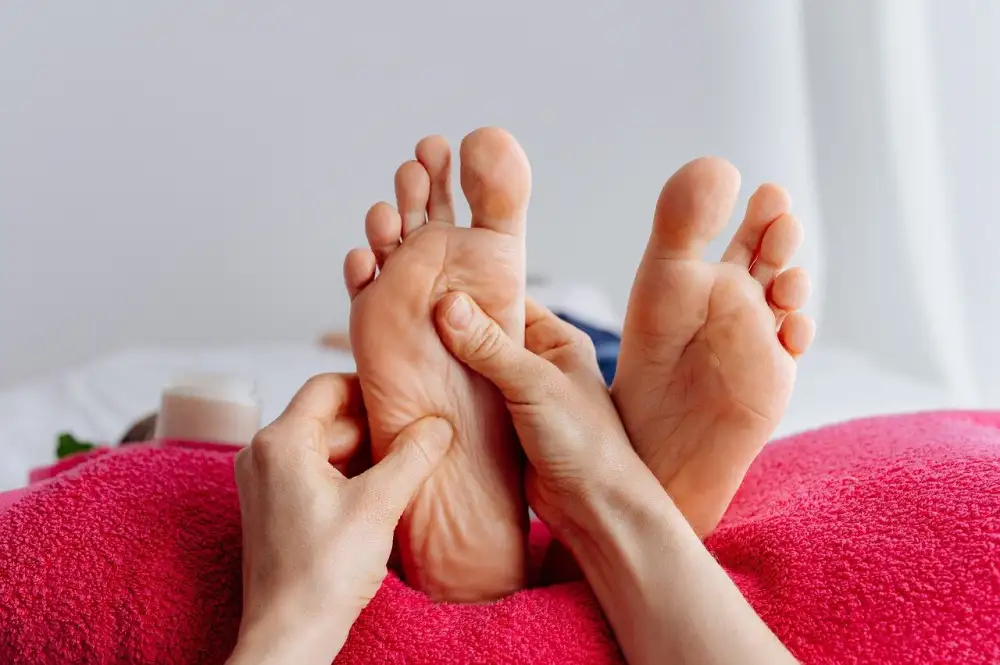
Reflexology is a holistic therapy that involves applying pressure to specific points on the feet, hands, or ears to stimulate corresponding organs and systems in the body. This ancient practice is based on the belief that these reflex points are connected through energy pathways to various parts of the body. By manipulating these points, reflexology aims to promote relaxation, improve circulation, and support overall well-being. When it comes to managing allergies, reflexology can be a natural and non-invasive approach to alleviating symptoms and boosting the body's immune response.
Understanding Allergies and Their Symptoms
Allergies are the body's immune system reacting to substances that are usually harmless, such as pollen, dust mites, pet dander, or certain foods. When a person with allergies comes into contact with these triggers (allergens), their immune system releases chemicals like histamine, leading to symptoms like sneezing, itching, watery eyes, and skin rashes. In severe cases, allergies can cause difficulty breathing or anaphylaxis, a life-threatening reaction. It's essential to identify specific allergens and understand individual symptoms to effectively manage allergies.
How Reflexology Works to Alleviate Allergy Symptoms
Reflexology works to alleviate allergy symptoms by stimulating specific reflex points on the feet, hands, and ears that correspond to different organs and systems in the body. By applying pressure to these points, reflexology helps to improve circulation, reduce inflammation, and promote relaxation. This stimulation of the nervous system can help to balance the body's energy flow and boost the immune system, which can in turn alleviate allergy symptoms such as congestion, sneezing, itching, and inflammation.
Key Reflexology Points for Treating Allergies
1. Sinus Area: Located on the tips of the toes, massaging this area can help relieve sinus congestion and pressure associated with allergies.
2. Solar Plexus: Found in the center of the foot, stimulating this point can aid in reducing stress and boosting the immune system to combat allergic reactions.
3. Adrenal Glands: Situated on the inner arch of the foot, targeting this area can help regulate cortisol levels and alleviate inflammation caused by allergies.
4. Lymphatic System: Located on the top of the foot, massaging this area can promote lymphatic drainage and reduce swelling related to allergic responses.
5. Thymus Gland: Positioned in the center of the sole, stimulating this point can enhance immune function and decrease hypersensitivity to allergens.
By focusing on these key reflexology points during a session, individuals may experience relief from allergy symptoms and support their overall well-being through holistic treatment methods.
Benefits of Using Reflexology for Allergies
Reflexology offers numerous benefits for managing allergies. By stimulating specific reflex points on the feet, hands, and ears, reflexology helps to improve circulation, reduce inflammation, and promote relaxation. This holistic approach can help alleviate allergy symptoms such as congestion, sneezing, itching, and inflammation. Additionally, reflexology can boost the immune system and enhance overall well-being, making it a valuable tool in the management of allergies.
Precautions and Considerations When Using Reflexology
When using reflexology for allergy relief, it is essential to consider some precautions and factors. Firstly, individuals with certain medical conditions such as diabetes, epilepsy, or heart conditions should consult with their healthcare provider before undergoing reflexology. Pregnant women should also seek advice from their obstetrician before starting reflexology treatments. Additionally, it is important to ensure that the reflexologist performing the treatment is properly trained and certified to avoid any potential risks or complications. Lastly, if you experience any discomfort or pain during a reflexology session, communicate this immediately to the practitioner to prevent any adverse effects. By taking these precautions and considerations into account, you can safely and effectively incorporate reflexology into your allergy management plan.
Consultation with a Reflexology Practitioner
Consultation with a reflexology practitioner is essential for those seeking relief from allergies. A trained reflexologist will conduct a thorough assessment of your medical history, lifestyle, and specific allergy symptoms to tailor a treatment plan that suits your individual needs. They will identify key reflexology points related to your allergies and apply appropriate techniques to stimulate these points effectively. Regular sessions with a skilled reflexologist can help manage allergy symptoms and improve overall well-being. It is important to communicate openly with the practitioner about any concerns or reactions during the sessions to ensure a safe and effective treatment experience.
Incorporating Reflexology into Allergy Management Plan
Incorporating reflexology into an allergy management plan can be a beneficial addition to traditional treatments. By regularly stimulating key reflexology points related to allergies, individuals may experience reduced symptoms and improved overall well-being. It is important to work with a qualified reflexology practitioner to develop a personalized treatment plan that complements existing allergy management strategies. Consistency and communication are key in integrating reflexology into your overall health routine for effective allergy relief.
In conclusion, reflexology offers a natural and holistic approach to managing allergies by targeting specific points on the feet and hands that correspond to various organs and systems in the body. By stimulating these reflex points, reflexology helps to improve circulation, reduce inflammation, and promote relaxation, which can alleviate allergy symptoms. Incorporating reflexology into your allergy management plan can complement traditional treatments and provide relief from common allergy issues such as congestion, sneezing, and itching. Consider consulting with a qualified reflexology practitioner to experience the benefits of this ancient healing practice for enhanced allergy relief.
Published: 21. 02. 2026
Category: Food